6. The Colossal Japanese Spider Crab: A Giant of the Ocean Floor
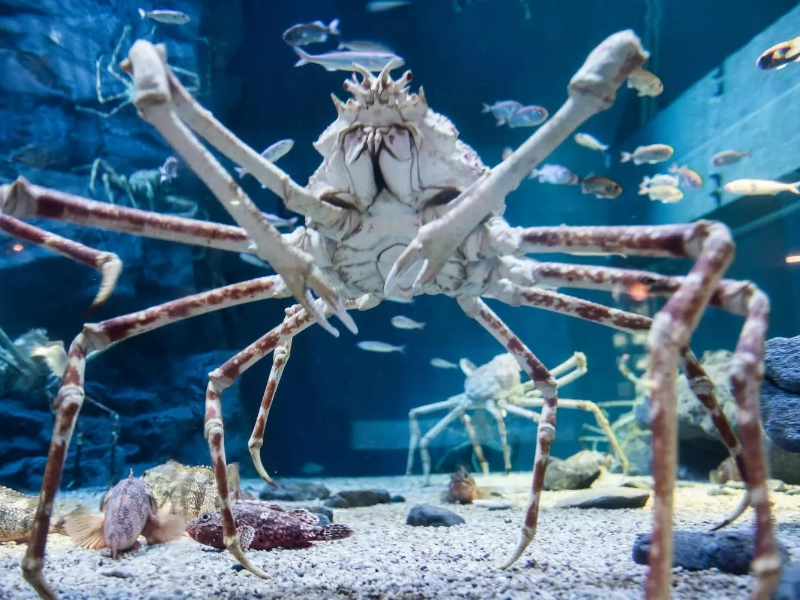
Though their appearance may seem terrifying, Japanese Spider Crabs are mostly scavengers, dining on dead fish, algae, and small crustaceans. Their powerful claws can break mollusk shells with ease. Fascinatingly, these crabs practice "decorating behavior," attaching sponges and algae to their shells for extra camouflage and defense against predators. Living up to 100 years, these crabs grow slowly, molting throughout their lives. Females may carry up to 1.5 million eggs, though few reach maturity. Due to their slow growth and long lifespan, conservation is vital, as overfishing and habitat loss threaten their survival. The Japanese Spider Crab is a stunning example of the ocean floor's extraordinary adaptations.
Advertisement
Recommended Reading: Why Your Tongue Gets White and 8 Proven Fixes to Clear It
You are viewing page 2 of this article. Please continue to page 3




















Adaptive by design.
I see compounding retention effects.
Adaptive scaffolding in action.